

Live Casino Games at Gamdom New Zealand
Live dealer formats include blackjack, roulette, and baccarat from professional studios. Streams require a stable internet connection and are optimized for desktop and mobile access.










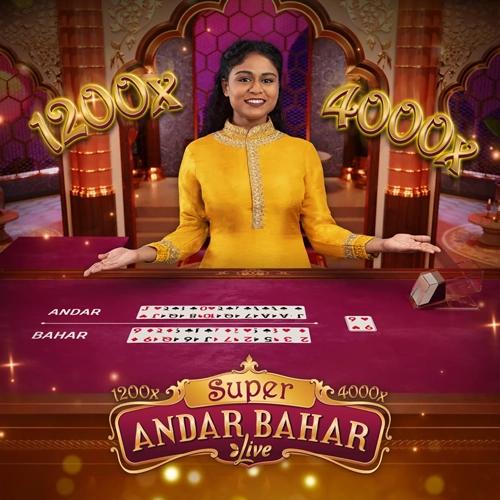










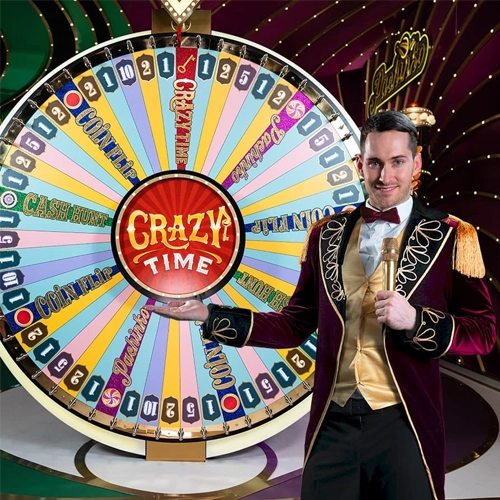








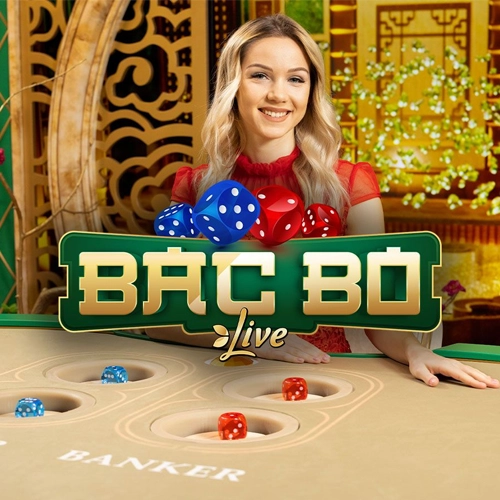







The live dealer section of the Gamdom casino platform provides a digital interface to real-time table games streamed from professional studios. These games are conducted by human dealers using physical equipment, such as cards, wheels, and balls, within controlled studio environments. All gameplay follows standardized procedures and predefined rules established by the respective game providers. The availability of specific live dealer tables and game shows to players in New Zealand is contingent upon provider licensing agreements and regional regulatory requirements. Operational compliance is maintained according to the jurisdiction of the provider and platform policies.
Live Game Categories and Studio Formats
The live dealer portfolio is segmented into several core categories, each with distinct studio configurations. Traditional table games form the primary offering, including multiple variants of Roulette, Blackjack, and Baccarat. These are typically broadcast from dedicated casino studio floors designed to replicate a physical gaming environment. Camera setups employ multiple angles to provide clear views of the table, dealer actions, and game outcomes, such as the roulette wheel or card draw.
Game-show style formats constitute a separate category, characterized by bespoke studio sets, specialized presenters, and unique gaming mechanics that often involve bonus wheels, dice rolls, or random number draws. These formats prioritize interactive entertainment within the live casino framework. Regardless of category, the general gameplay principle involves players placing bets via a digital interface within a timed betting window, after which the physical outcome in the studio determines the result.
The studio structures are operated by third-party software providers, not by Gamdom directly. Each provider maintains its own studio locations, dealer teams, and technological infrastructure, which contributes to the variety of visual and gameplay experiences available on the platform.
Technology, Streaming, and User Interface
Live dealer games are delivered via continuous video streams encoded at various quality levels. The streaming technology is designed to minimize latency, ensuring the on-screen action is as close to real-time as possible. Players can typically manually select video quality within the game interface to manage data consumption, which is a consideration for mobile users not on Wi-Fi. Compatibility extends to modern web browsers on desktop computers and mobile devices, with no specific Gamdom app required for browser-based access, though a dedicated application may offer an alternative access method.
The user interface overlays the video stream and contains all necessary functional tools. These include the betting grid, chip denominations, historical result displays, and a chat module for text-based communication with the dealer and other players. Bet placement is executed by clicking or tapping on the relevant betting area with a selected chip value. Game rules and available side bets are detailed within static information panels. Network stability is a critical factor; an inconsistent internet connection can lead to stream interruption, missed betting windows, or disconnection from the game session.
Dealer Responsibilities and Gameplay Procedures
The dealer's primary role is to conduct the game according to strict procedural guidelines set by the game provider. This includes managing the physical game equipment, announcing game states, inviting bets, executing the game round (e.g., dealing cards, spinning the wheel), and announcing results. Dealers also facilitate limited player interaction by responding to chat messages where operationally feasible, without disrupting the game pace.
Gameplay rules are fixed and automated where possible. In card games, drawing and shuffling follow documented protocols, often using automatic shuffling machines. Outcomes in games like roulette are determined by the physical result in the studio. The system's software identifies the outcome via optical character recognition (OCR) technology, which translates the physical result into digital data for the platform. This process, along with the use of certified equipment, forms the primary fairness control. Game pacing is structured, with defined betting and result phases timed by the software, ensuring consistent round duration across all participants.
Table Limits, Availability, and Regional Constraints
Each live dealer table operates with defined minimum and maximum stake limits. These limits are set by the game provider and are displayed within the game lobby and interface. Limits vary significantly between tables, catering to different player bankrolls. For example, a standard roulette table may have a lower minimum bet than a high-stakes baccarat salon. During periods of high demand, additional tables may be opened by the provider to manage player load.
Availability for players in New Zealand is subject to dynamic management based on licensing and regulatory compliance. Not all games or providers available globally are necessarily accessible from New Zealand. The platform's game lobby displays only the tables and games legally permitted for the region. Access can be influenced by factors such as the provider's licensing status with the New Zealand authorities, geolocation verification, and internal platform policy. Technical service status, including the operational health of live game streams, is independent of the main Gamdom server status, as streaming infrastructure is managed by the external providers.
| Factor | Description |
|---|---|
| Stake Limits | Defined per table by the game provider; displayed in the game lobby. |
| Peak Time Management | Providers may open additional virtual tables to accommodate player volume. |
| Regional Access | Determined by provider licensing and geolocation checks; lobby is filtered accordingly. |
| Technical Availability | Streaming service is separate from core platform; issues are usually provider-specific. |